The Ultimate Guide to Zircon Gemstones: Meaning, Properties & Colors
Zircon is one of the most dazzling yet misunderstood gemstones in the world. Often confused with cubic zirconia, zircon is actually a natural mineral that has been treasured for centuries for its brilliance, range of colors, and rich symbolism. Whether you’re searching for the perfect piece of jewelry, exploring the history of gemstones, or curious about the meaning behind zircon crystals, this guide will give you everything you need to know.
What is Zircon?
Zircon is a naturally occurring gemstone formed deep within the Earth over millions of years. It is one of the oldest known minerals, with some zircon crystals dating back more than 4 billion years, making them even older than most rocks on Earth. Found in regions such as Cambodia, Sri Lanka, Myanmar, and Australia, zircon is admired for its natural brilliance and fire—qualities that can rival diamonds.
Unlike cubic zirconia, which is lab‑created, zircon is a genuine gemstone with a unique geological history. Its natural formation process contributes to the depth, rarity, and value that makes zircon so desirable to collectors and jewelry lovers alike.
Zircon Colors Explained
One of zircon’s most attractive qualities is its wide spectrum of colors. Each variation has its own charm and appeal:
- Blue Zircon – The most popular and prized, known for its electric sparkle.
- White or Colorless Zircon – Often used as a diamond alternative because of its brilliance.
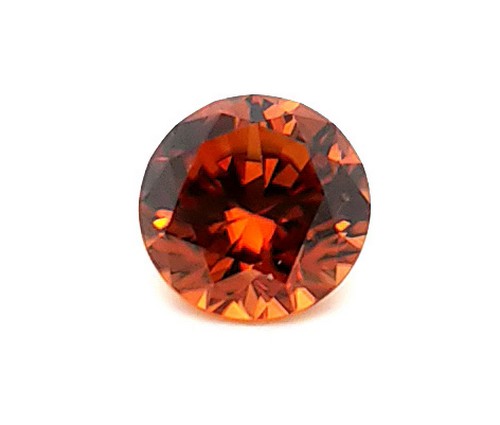
- Yellow, Orange & Brown Zircon – Warm earthy tones that add a unique touch to jewelry.
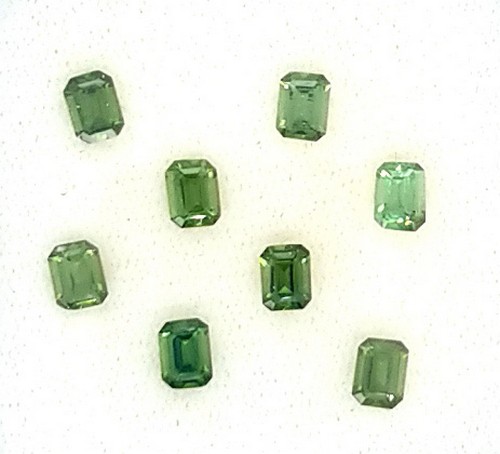
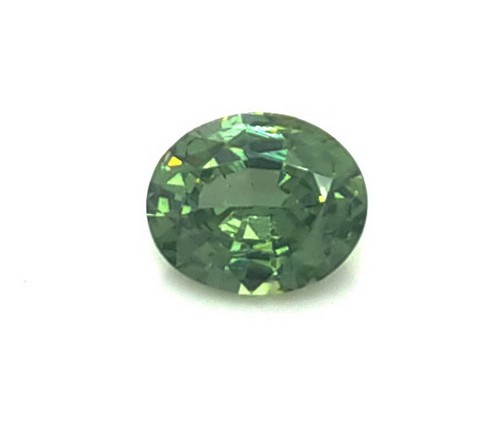
- Green Zircon – Rare and sought‑after, often linked with growth and renewal.
- Red & Pink Zircon – Beautiful shades associated with love, passion, and vitality.
Because zircon is pleochroic (showing different colors from different angles), a single zircon crystal can display multiple hues depending on how it’s cut and viewed.

The Most Valuable Zircon Gemstones
While zircon comes in a rainbow of shades, not all colors command the same value. The most valuable zircon gemstones are those with vivid, saturated hues and exceptional clarity. Blue zircon is by far the most sought-after, especially stones sourced from Cambodia and Sri Lanka, where the color can range from bright sky-blue to deep Caribbean tones. Fine green zircon is also extremely rare and collectible, prized for its natural intensity and limited availability. Meanwhile, red and pink zircons—though less common on the market—can rival rubies in beauty and are highly desirable to collectors. Large, eye-clean stones in these rare colors often fetch premium prices, making them investment-worthy additions to any gemstone collection.
The most expensive zircon ever recorded was an exceptional 31.70-carat orange zircon sold at retail for $23,458 in total price. That equates to an eye‑watering ~$740 per carat, making it an extraordinary benchmark in zircon valuation—even more valuable than usual blue zircon on a per‑carat basis.
The Meaning & Properties of Zircon Crystals
For centuries, zircon has been cherished not only for its beauty but also for its symbolic and metaphysical properties. Many cultures believed zircon crystals brought:
- Clarity & Wisdom – Thought to help clear the mind and bring focus.
- Prosperity – Associated with attracting wealth and good fortune.
- Protection – Believed to shield the wearer from negative energy.
- Healing Energy – In holistic practices, zircon crystals are said to promote emotional balance and aid in physical recovery.
Zircon is also the birthstone for December, making it a meaningful gift for those born during that month. Its vibrant colors and spiritual associations make it a favorite among those seeking gemstones with deeper meaning.
Zircon Jewelry
Beyond rarity and price, many collectors and jewelry lovers choose zircon over other gemstones because of its brilliance and fire, which can rival that of diamonds at a fraction of the cost. Unlike sapphires or spinels, zircon offers a more accessible price point for large, eye-clean stones, making it appealing to those who want maximum sparkle without the premium cost. Zircon also provides a wide palette of natural colors—especially the bright blues and warm reds—that make it versatile for personal expression and unique jewelry design. Popular settings include:
- Zircon Rings – A bold statement piece, often chosen as a unique alternative to diamonds.
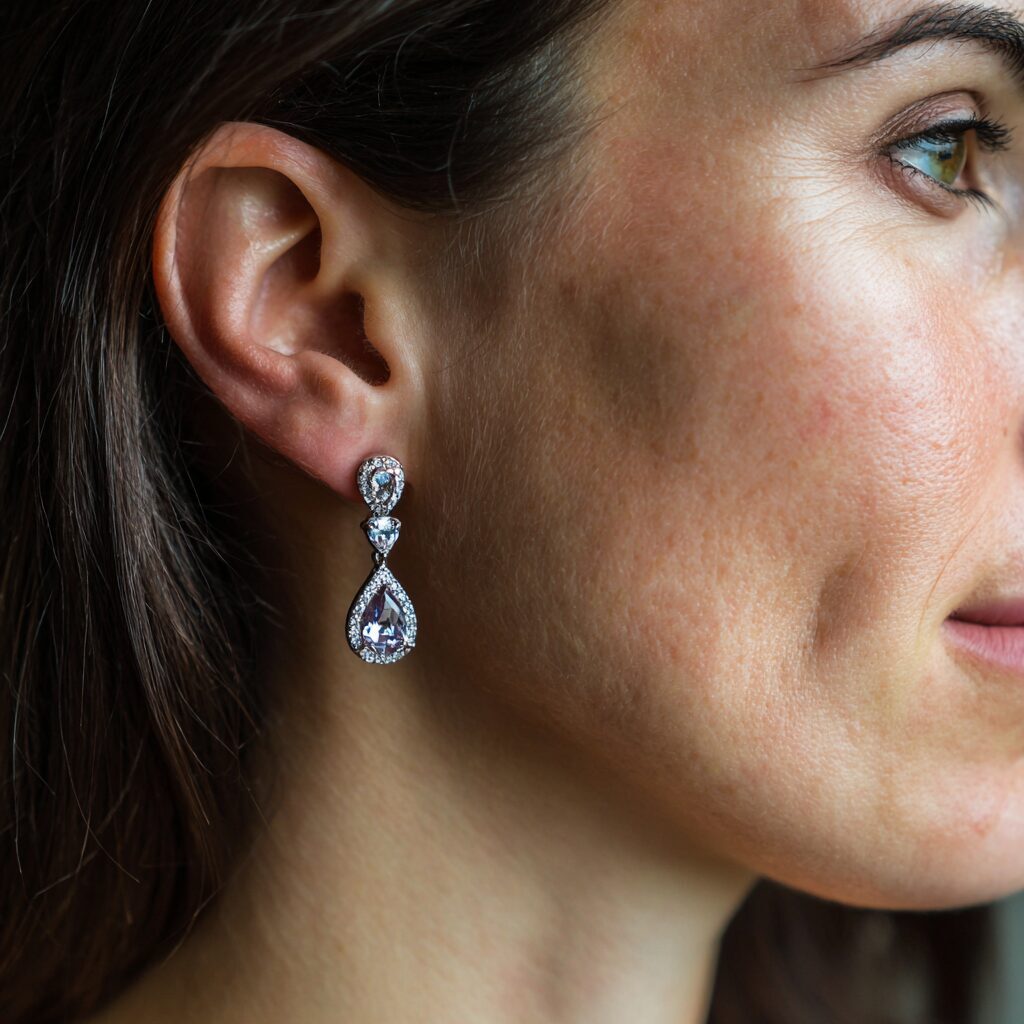
- Zircon Earrings – Perfect for adding sparkle to any occasion.
- Zircon Pendants & Bracelets – Elegant choices that highlight zircon’s color range.
Because zircon rates 6.5–7.5 on the Mohs scale of hardness, it is durable enough for everyday wear but should still be handled with care to avoid scratches.
Buying Tips for Zircon Gemstones
When shopping for zircon crystals or jewelry, consider the following:
- Color Saturation – Richer hues, especially vivid blues and greens, are more valuable.
- Clarity – High-quality zircons are transparent with minimal inclusions.
- Cut – A well-cut zircon will maximize its fire and brilliance.
- Origin – Some regions, like Cambodia and Sri Lanka, are especially known for producing exceptional stones.
Zircon may be one of the most underrated gemstones, but its brilliance, history, and meaning make it a truly timeless choice. From dazzling zircon crystals in their raw form to carefully cut gemstones set in fine jewelry, zircon continues to enchant collectors and jewelry enthusiasts around the world. Whether you’re drawn to its ancient origins, symbolic properties, or simply its unmatched sparkle, zircon deserves a place in your gemstone collection.
