

Green Tourmaline vs Emeralds: How to Choose the Right Green Gemstone
When it comes to vivid green gemstones, two stand out for their beauty, symbolism, and rich history: green tourmaline and emerald. At a glance, they might appear similar. Both offer a luxurious green color and are cherished in fine jewelry, but there are critical differences that can affect your decision when buying a green gemstone. This guide will help you understand how green tourmaline compares to emeralds in color, durability, rarity, value, and meaning, so you can make an informed choice that reflects your needs and style.
Color Comparison: Subtlety vs Intensity
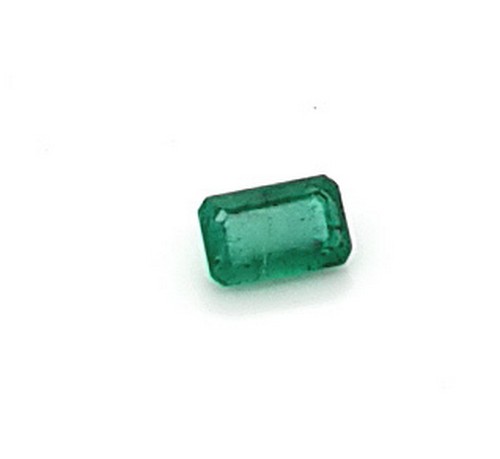
Emeralds are known for their deep, rich green color, often with bluish undertones. The most desirable emeralds come from Colombia, Zambia, and Brazil, and display a saturated, almost velvety hue due to the presence of chromium and vanadium.
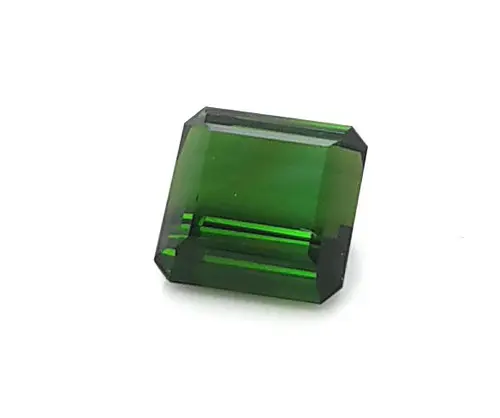
Green tourmalines, sometimes called verdelite, can range from light mint to forest green, and are usually colored by iron. Chrome tourmaline (a rarer variety) can mimic the intensity of fine emeralds but often appears brighter and livelier under light.
Key Difference: Emeralds typically offer a deeper, more classic green, while green tourmalines can provide a more vibrant or varied green tone. Tourmalines also tend to be more transparent with fewer visible inclusions.
Clarity and Inclusions: Natural Beauty or Eye Clean?
Emeralds are famously included, often displaying what’s called a “jardin” (French for garden) of internal features. These inclusions are expected and even embraced, adding uniqueness to the stone—though they can affect durability.
Green tourmaline, on the other hand, is generally much cleaner. It is often eye-clean, meaning inclusions are not visible without magnification.
Key Difference: If you prefer a clearer stone, green tourmaline may be the better option. If you appreciate natural texture and uniqueness, an emerald’s inclusions may add to its appeal.
Durability: Everyday Wear vs Special Occasion
On the Mohs hardness scale, emerald ranks at 7.5 to 8 but is known to be brittle due to its internal fractures and inclusions. This means it requires more care, especially in rings or bracelets where daily wear can lead to damage.
Green tourmaline is slightly softer at 7 to 7.5 but often more structurally stable due to its better clarity and fewer internal flaws.
Key Difference: Tourmaline is often more durable in practice despite a lower hardness rating. It’s generally more suited for everyday jewelry.
Price and Value: Luxury vs Accessibility
Emeralds are classified as one of the “precious four” gemstones (alongside diamonds, rubies, and sapphires), which means they carry a premium price tag. High-quality emeralds can fetch thousands of dollars per carat, particularly those from Colombia.
Green tourmalines are generally more affordable, though prices can increase significantly for chrome tourmalines or unusually large, clean stones.
Key Difference: Tourmaline offers more size and visual impact per dollar. If you’re looking for a vibrant green stone without the hefty price tag, tourmaline provides excellent value.
Origin and Sourcing
Emeralds are most famously sourced from Colombia (Muzo and Chivor mines), Zambia, and Brazil. Colombian emeralds are the gold standard, known for their luminous green and bluish undertones.
Green tourmaline comes from a wider range of sources, including Brazil, Namibia, Afghanistan, and the United States. Chrome tourmaline, specifically, is mined primarily in Tanzania.
Key Difference: Emeralds have a more storied historical prestige, but tourmalines offer more diversity in sourcing and environmental sustainability, depending on the mine.
Symbolism and Metaphysical Properties
Emeralds have long symbolized rebirth, wisdom, and prosperity. They are associated with Venus and have been worn by royalty for centuries. Emotionally, they are said to promote unconditional love and inner harmony.
Green tourmaline is associated with vitality, compassion, and heart chakra healing. It is considered an energizing stone that helps attract abundance and promote personal growth.
Key Difference: Emerald leans more into classic romantic symbolism and spiritual wisdom, while green tourmaline is about action, energy, and healing.
Jewelry Style and Versatility
Emeralds are often cut in their signature “emerald cut” to reduce pressure during setting, and are typically reserved for high-end designs. Due to their fragility, they’re more common in necklaces, earrings, and cocktail rings.
Green tourmaline can be found in a variety of cuts, from emerald and oval to cushion and pear. Because of its clarity and sturdiness, it’s popular in everyday jewelry and designer settings.
Key Difference: Tourmaline gives more flexibility for modern, personalized, or casual styles. Emerald is better suited for heirloom and classic luxury aesthetics.
Which One Should You Choose?
If you’re drawn to rich, traditional green tones and have a taste for prestige and legacy, emerald may be your gemstone. It’s a timeless classic, ideal for milestone jewelry and heirloom pieces.
If you’re seeking a versatile, vibrant, and budget-friendly green stone with emotional healing properties, green tourmaline is a wonderful choice. It allows for bolder design experimentation and can be worn daily with confidence.
Both emerald and green tourmaline offer stunning beauty, meaningful symbolism, and green hues that captivate the eye and the heart. The right choice ultimately depends on your style preferences, budget, and how you plan to wear the stone.
Whichever you choose, green gemstones are always a symbol of renewal, growth, and timeless elegance. Ready to find yours? Explore our collection of natural green tourmaline and emerald gemstones to discover the perfect piece for you.
