
Why Cat’s-Eye Chrysoberyl Is Among the Rarest and Most Valuable Gemstones
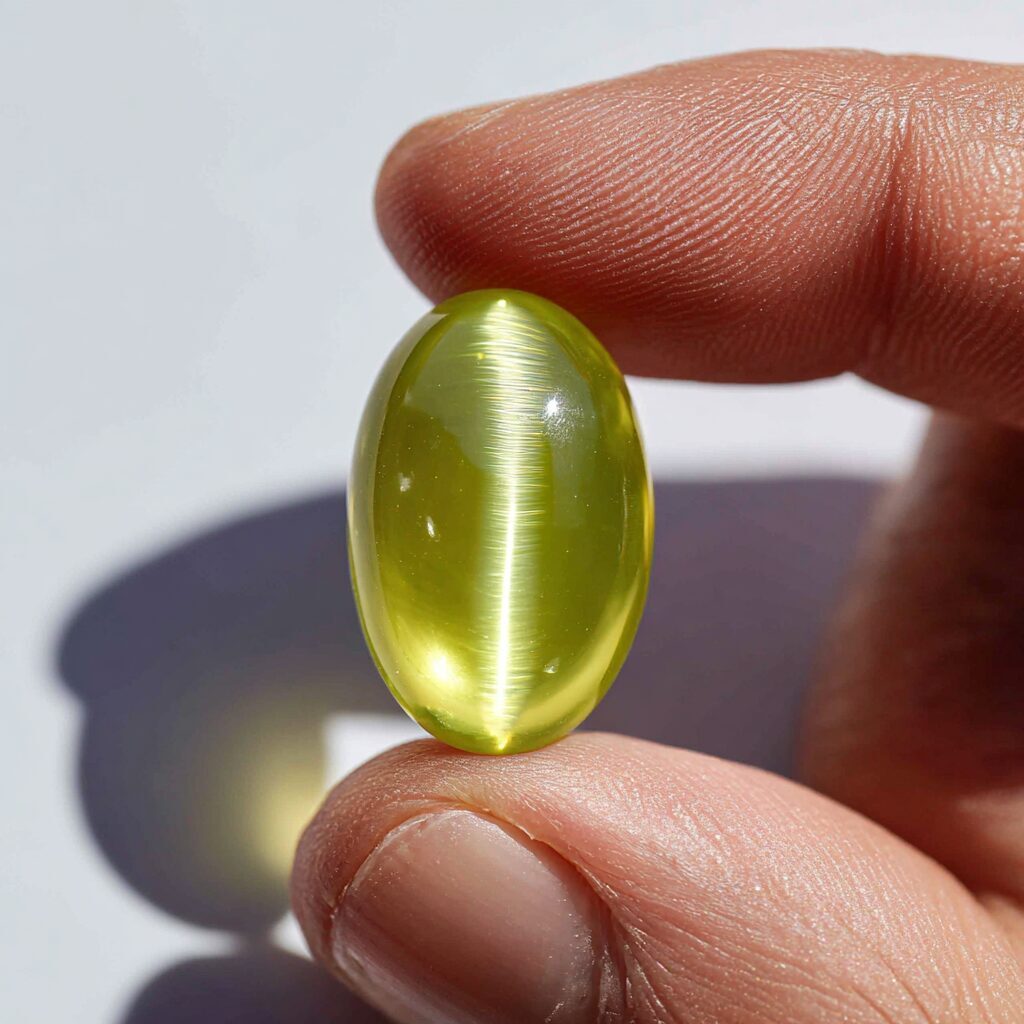
Cat’s-Eye Chrysoberyl is one of the world’s most spectacular and sought-after gemstones. Known for its sharp, luminous eye that glides across the surface when the stone is moved, it represents the finest example of chatoyancy found in nature. Collectors, jewelers, and gemstone investors regard it as a treasure of extraordinary rarity, beauty, and durability. Far more than a novelty, Cat’s-Eye Chrysoberyl holds a level of prestige equal to, and sometimes greater than, top-quality sapphires, rubies, and emeralds. Understanding why this gemstone commands such high prices begins with an appreciation of its geological scarcity, its extraordinary optical effects, and the global demand it continues to inspire.
A Geological Rarity Formed Under Exceptional Conditions
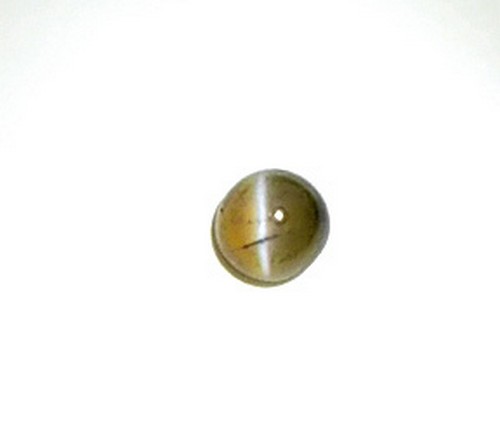
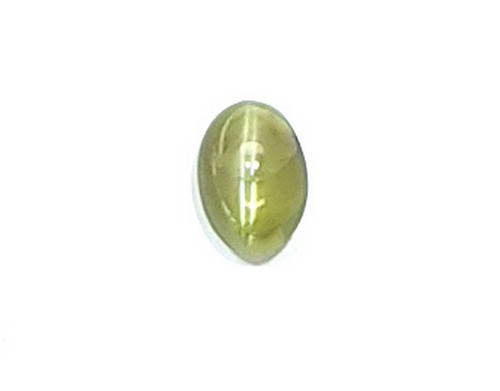
Cat’s-Eye Chrysoberyl is rare because it forms only under very specific geological conditions. While Chrysoberyl itself is not exceptionally rare, the chatoyant variety requires the presence of parallel needle-like inclusions aligned naturally within the crystal. These inclusions are often rutile fibers or hollow tubes that develop during the gemstone’s growth. Only a very small percentage of Chrysoberyl crystals contain inclusions that are uniform, abundant, and precisely aligned enough to produce a distinct, sharp eye when cut into a cabochon.
Even when these fibers occur, not every stone is suitable for cutting into a high-quality Cat’s-Eye. The crystal must have the correct shape, clarity, and orientation. Any misalignment reduces the definition of the eye and diminishes the value. This combination of geological coincidence and natural perfection is what makes Cat’s-Eye Chrysoberyl exceptionally scarce, especially in large sizes.
The Sharp, Moving Eye That Defines the Gemstone
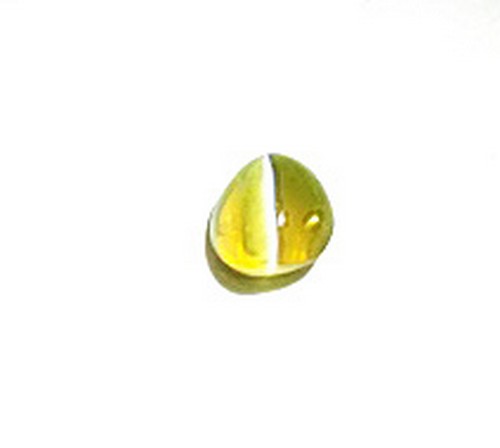
The signature eye of Cat’s-Eye Chrysoberyl is the primary factor behind its prestige. This bright, narrow line of light appears across the surface of the gemstone and moves smoothly when the stone is rotated. A high-quality stone displays an eye that is perfectly centered, straight, and sharply defined. Lesser stones show eyes that are blurry, uneven, or off-center.
Another phenomenon known as the milk and honey effect further enhances the gemstone’s value. When illuminated, one side of the stone appears a rich, milky color while the opposite side appears deeper and darker. This duality shifts as the gemstone moves, creating an effect that seems almost alive. Very few gemstones exhibit anything comparable. Cat’s-eye quartz or cat’s-eye apatite may show some level of chatoyancy, but they lack the precision, brightness, and movement that distinguish Cat’s-Eye Chrysoberyl.
Durability That Rivals the World’s Most Valuable Gems
In addition to its rare optical qualities, Cat’s-Eye Chrysoberyl is one of the most durable gemstones available. With a Mohs hardness of 8.5, it is second only to corundum and diamond. Its toughness and structural stability make it ideal for jewelry that is worn regularly, including rings and bracelets. This durability adds long-term value, as the gem can retain its brilliance and crisp eye for generations with proper care.
Durability also influences value because collectors and investors often prefer stones that will maintain their beauty over time. While softer stones like opal or turquoise require careful handling, Cat’s-Eye Chrysoberyl can proudly withstand daily wear, further elevating its desirability.
Why Color and Clarity Affect Value
Although the eye is the most important factor in determining a Cat’s-Eye Chrysoberyl’s worth, color plays a significant role as well. The finest stones display a rich honey yellow, golden green, or deep olive tone. Saturated colors fetch higher prices, while pale or overly dark stones are considered less desirable.
Clarity also affects value, although Cat’s-Eye stones are expected to contain inclusions. These inclusions create the phenomenon the gem is known for. The key is that these inclusions must be structured in a way that produces a strong, clean eye. Excessive internal cloudiness or fractures can reduce both beauty and durability.
The Influence of Size and Cut on Rarity
Large Cat’s-Eye Chrysoberyl gemstones are extremely rare. Stones over five carats with a sharp eye are highly valuable, and those over ten carats are considered exceptional collector’s pieces. Because the chatoyant effect depends on cutting the gemstone into a cabochon, the cutter must remove enough material to produce a symmetrical dome. This makes cutting efficient and careful. Any mistake risks diminishing the eye or reducing the stone’s size, which significantly impacts value.
A well-cut Cat’s-Eye should display a centered eye that is visible even in low light. The cabochon must have a smooth, polished surface with proper height and curvature. Precision cutting is essential for bringing out the gemstone’s full potential, and few cutters specialize in high-level cabochon cutting, which adds another layer of rarity to top-quality stones.
Origins and Why Location Matters
Sri Lanka is the most celebrated source of Cat’s-Eye Chrysoberyl, producing stones with excellent color, strong chatoyancy, and remarkable clarity. Sri Lankan Cat’s-Eye gems often display the classic honey-golden hue that collectors prize. Brazil also produces high-quality material, sometimes with more vivid green tones. Tanzania, Madagascar, and Zimbabwe yield smaller quantities, but fine stones from these regions are still considered valuable.
Because production from these mines is limited and unpredictable, the supply of fine Cat’s-Eye Chrysoberyl is steadily declining. This naturally limited supply combined with increasing global demand contributes to the sustained rise in price.
A Long History of Cultural and Spiritual Importance
Cat’s-Eye Chrysoberyl has held symbolic significance for centuries. In many cultures, it has been considered a stone of protection, believed to ward off danger and misfortune. Some traditions hold that Cat’s-Eye enhances intuition and strengthens decision-making, making it a gemstone associated with clarity and wisdom.
In Vedic astrology, Cat’s-Eye is linked to the planet Ketu, a spiritual force associated with discipline, knowledge, and karmic insight. Wearing Cat’s-Eye as a talisman is believed to offer protection and guidance through periods of uncertainty. This spiritual importance heightens demand in regions where astrological gemstones play a major cultural role.
Why Investors Seek Cat’s-Eye Chrysoberyl
Gemstone investors look for rarity, stability, and growth potential. Cat’s-Eye Chrysoberyl checks all three boxes. It is undeniably rare, especially in larger sizes. It is durable enough to withstand long-term wear, making it a practical choice for heirloom jewelry. And because the supply is finite, the value of fine stones continues to rise steadily.
Investors particularly seek stones with a sharp, centered eye, ideal color, and carat weight above five carats. Such stones are increasingly hard to find, and their prices reflect this scarcity. As awareness of Cat’s-Eye Chrysoberyl grows globally, its investment potential continues to strengthen.
Cat’s-Eye Chrysoberyl stands as a gemstone of extraordinary rarity, beauty, and power. Its distinctive moving eye, combined with its rich color and outstanding durability, sets it apart from nearly all other gemstones. Whether admired for its optical brilliance, valued for its cultural symbolism, or sought after as a long-term investment, Cat’s-Eye Chrysoberyl remains one of the most captivating treasures the Earth has to offer. As global supplies decrease and demand continues to rise, this remarkable gemstone will only become more precious with time. To shop our premium collection of loose natural Cat’s-Eye Chrysoberyl, click here.
