


What Does Turquoise Represent? Symbolism, Meaning & Cultural Legacy
From ancient empires to modern jewelry boxes, turquoise stones have held a sacred and symbolic place in cultures across the globe. Revered for its striking blue-green hue and calming energy, turquoise is far more than just a beautiful stone. It has been worn by warriors, shamans, kings, and spiritual seekers for centuries. But what exactly does turquoise represent?
In this guide, we’ll explore the meaning of turquoise through the lenses of history, culture, spirituality, and modern interpretation. Whether you’re drawn to turquoise for its aesthetics or its deeper symbolism, this article will help you understand why this gemstone continues to be one of the most cherished stones in human history.
Turquoise as a Symbol of Protection and Healing
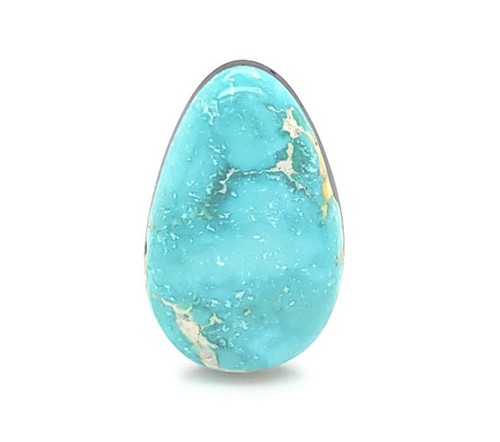
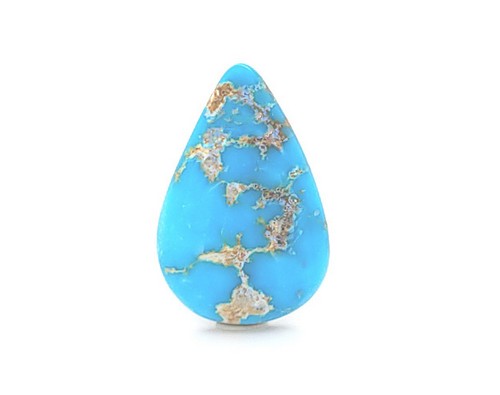
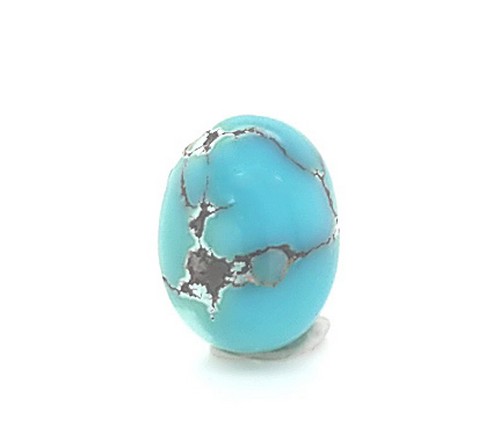
One of the most universal meanings of turquoise is protection. Ancient civilizations from Egypt to Tibet believed that turquoise served as a guardian stone, capable of warding off negative energy and physical harm.
In Persia, warriors would inlay turquoise in their swords and shields, believing the stone would protect them in battle. In the Tibetan Himalayas, it was worn as a spiritual armor. In many Native American tribes, turquoise was placed on arrowheads or worn in necklaces to protect hunters and warriors.
Even today, turquoise is seen as a healing stone, used in energy work and crystal therapy. It’s associated with balancing emotions, calming the mind, and aiding in physical recovery. Its color—reminiscent of the sky and sea—has a naturally soothing effect, which is why many use it to reduce anxiety and promote inner peace.
Turquoise and Communication: The Throat Chakra Connection
In metaphysical traditions, turquoise is closely associated with the throat chakra, the energy center responsible for communication, truth, and self-expression. When this chakra is in balance, we speak our truth clearly and with compassion.
Wearing turquoise near the throat is believed to help people:
- Overcome fear of public speaking
- Express emotions clearly
- Heal misunderstandings and interpersonal conflicts
- Strengthen the voice in both literal and metaphorical ways
This is why turquoise is often gifted to teachers, therapists, public speakers, and anyone in a role that requires clear, heartfelt communication.
Turquoise in Native American Symbolism
No discussion of turquoise symbolism would be complete without exploring its profound significance to Indigenous peoples of the American Southwest.
For the Navajo, Hopi, Apache, and Zuni tribes, turquoise is considered a sacred stone representing life, luck, and spiritual connection. It’s often used in ceremonial jewelry, worn during rites of passage, or buried with the dead to ensure safe passage into the afterlife.
According to Navajo tradition, turquoise is a fragment of the sky that fell to Earth. Rainmakers would grind it into powder and scatter it during ceremonies to call forth rain. Apache legends say turquoise could be found at the end of a rainbow—a gift from nature to those who search.
Among the Zuni people, turquoise plays a role in mythological stories like the tale of Turquoise Man and Salt Woman, symbolizing the interconnectedness of all living things and the natural balance between masculine and feminine forces.
Turquoise as a Symbol of Hope and Good Fortune
Turquoise has long been associated with hope, optimism, and blessings. Its vibrant color evokes feelings of joy, clarity, and vitality. In times of uncertainty, turquoise was believed to bring good luck and serve as a beacon of faith in the future.
This symbolism is especially evident in Middle Eastern and Asian cultures. In ancient Persia, turquoise jewelry was passed down through generations to protect family lineages and attract abundance. In Chinese culture, turquoise represents wealth and prosperity, and is often carved into symbols of longevity or placed in the home to attract harmony.
Even in modern times, people often gift turquoise jewelry as a token of encouragement or a symbol of starting anew—whether it’s a graduation gift, a talisman for travel, or a charm for someone embarking on a new chapter in life.
Turquoise and Spiritual Connection
Because of its color and history, turquoise is often seen as a bridge between the Earth and sky. In many cultures, this stone represents the joining of spiritual and physical realms.
In ancient Egypt, turquoise adorned the burial masks of pharaohs, including that of King Tutankhamun. It was believed that turquoise could help the soul ascend to the heavens and navigate the afterlife safely.
In Indigenous American traditions, turquoise is known to amplify spiritual communication. Medicine men and women wore it during ceremonies and vision quests to connect with spirit guides, animal totems, and the wisdom of the ancestors.
Modern spiritual practitioners still consider turquoise a powerful stone for:
- Meditation
- Energy healing
- Astral travel
- Enhancing intuition
- Reconnecting to ancestral wisdom
Emotional Balance and Inner Harmony
The calming energy of turquoise makes it a favorite among those seeking emotional balance. Crystal healers often recommend turquoise for individuals dealing with grief, trauma, or turbulent relationships. It is said to stabilize mood swings, soften anger, and encourage forgiveness.
In this way, turquoise acts not just as a protector from external harm, but also as a guide toward inner peace. Wearing or meditating with turquoise helps align the mind and heart, allowing us to approach life from a centered, grounded place.
Modern Uses: Fashion Meets Meaning
While turquoise has deep historical roots, it continues to thrive in modern culture, especially in fashion and personal adornment. From boho-chic jewelry to high-end Southwestern designs, turquoise remains timeless.
But for many wearers, the appeal goes beyond aesthetics. Whether worn as a ring, pendant, or beaded bracelet, turquoise often serves as a reminder of resilience, wisdom, and spiritual grounding.
Many people now choose their jewelry not just for style but for the energy and intention behind the stone. Turquoise fits perfectly into this new era of mindful fashion.
Why Turquoise Still Matters
Turquoise represents protection, peace, healing, communication, spiritual connection, and hope. It is a stone of Earth and sky, of ancestors and future generations. Whether you wear it for luck, for healing, or for beauty, turquoise carries a timeless message: you are protected, you are seen, and you are never alone.
In a fast-paced world, turquoise reminds us to slow down, speak truthfully, and reconnect—with ourselves and the wisdom of the past.
If you’re looking for a gemstone that combines beauty, history, and deep symbolism, turquoise is a perfect choice. It’s more than a trend—it’s a timeless treasure.
